A nozzle that appears to fit can still deliver the wrong flow, pressure or discharge pattern for the installed suppression system. By checking the agent, connection, orifice, cylinder data, enclosure layout and release controls, you can identify the correct part and decide whether the job requires only a nozzle or a wider system service.
Key takeaways
- Do not substitute a stored pressure dry powder nozzle for a fixed panel nozzle.
- Record the agent, system model, thread, orifice, and nozzle location before ordering.
- Confirm the nozzle pattern covers the enclosure without obstruction.
- Escalate to full system service after damage, discharge, corrosion, or altered enclosure layout.
Why a fixed panel nozzle is not interchangeable with an extinguisher nozzle
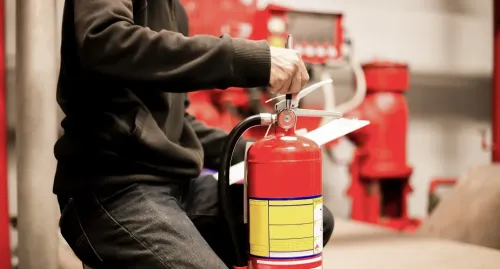
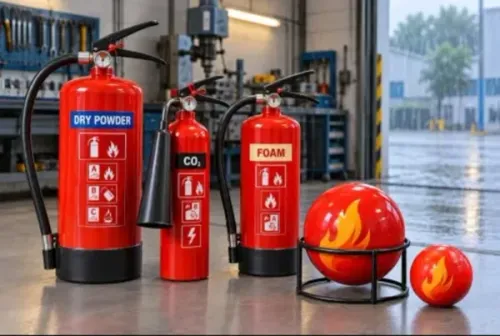
Usually, no. A stored pressure dry powder nozzle belongs to a portable extinguisher’s hose, valve and discharge assembly, while a fixed panel nozzle is engineered for a particular enclosure, agent and release system. A thread that fits proves only mechanical fit.
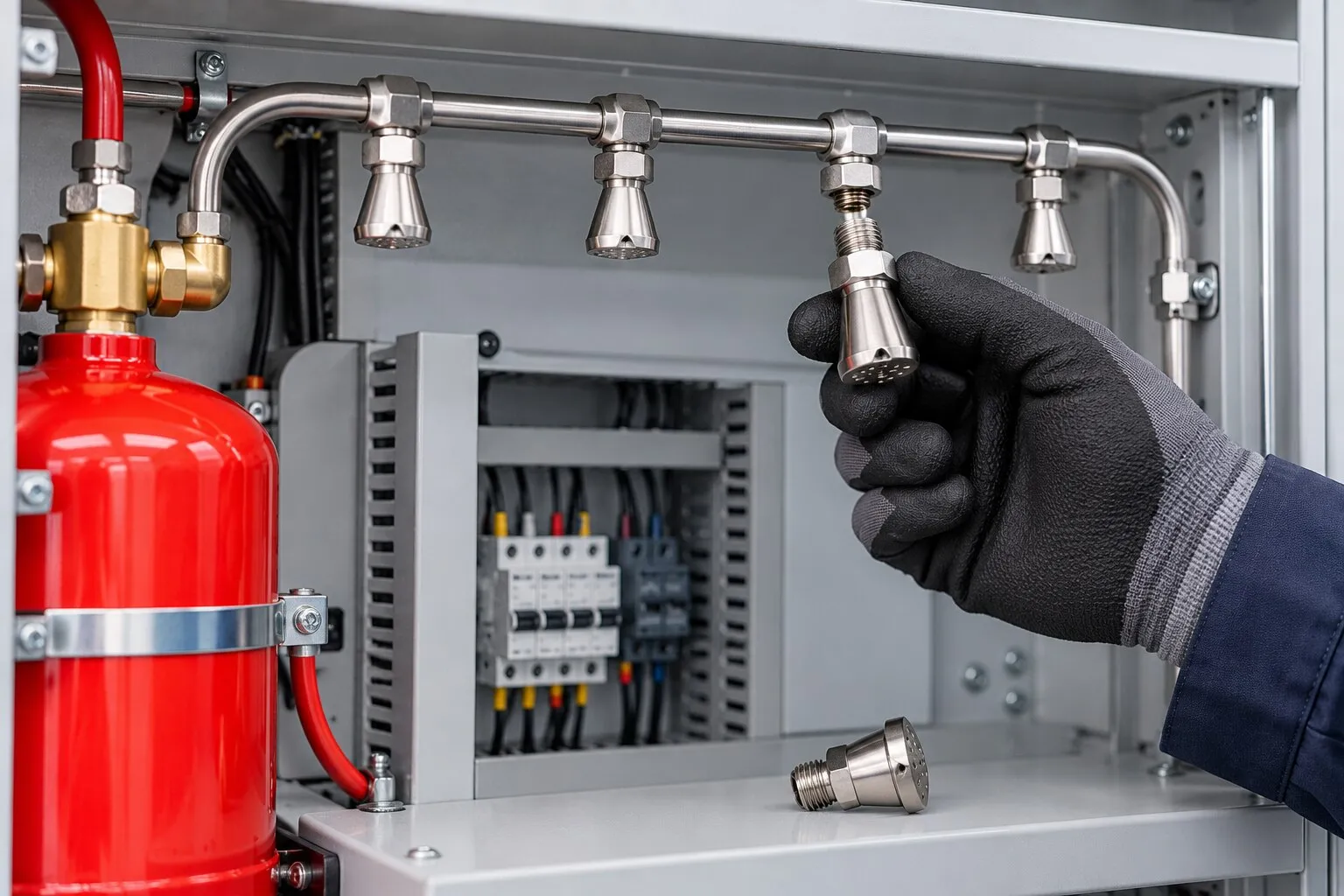
The two nozzles can differ in orifice size, discharge pattern, mounting position and flow rate. Substituting the extinguisher part can discharge powder too quickly, leave dead zones inside the panel, alter agent throw, or fail to protect cable-entry areas. It can also compromise the extinguisher’s rated pressure boundary and approval.
Do not drill an orifice, attach a different hose or install a generic fitting to make the parts match. Those changes alter discharge time and system hydraulics.
For a panel suppression nozzle in Bhandup, identify the approved system component using:
- Agent chemistry and cylinder or generator operating pressure
- Manufacturer, system model and nozzle part number
- Nozzle orifice marking and outlet diameter
- Thread, coupling or hose connection
- Discharge direction and mounting arrangement
- Actuator type, electrical supervision and approval or listing
A fixed nozzle must also suit the panel’s enclosure volume, ventilation openings, nearby energized equipment and ambient temperature. The phrase panel suppression nozzle in Bhandup describes a service location, not a universal specification.
Treat the stored pressure dry powder nozzle as a separate spare category unless the suppression-system manufacturer explicitly approves that exact part for the fixed installation.
The details to collect before ordering a replacement
A panel suppression system nozzle for replacement in bhandup cannot be identified by outlet diameter or panel dimensions alone. Record the existing assembly and system data before ordering; a similar-looking nozzle can produce the wrong flow rate or discharge pattern.
- Photograph the nozzle, pipe or hose connection, mounting bracket, outlet, cap, and every visible marking. Capture the manufacturer name, model number, and manufacturer part number.
- Record the agent type, cylinder capacity, and cylinder or generator operating pressure. Note whether the system uses clean agent, dry chemical, aerosol, or another medium.
- Measure the nozzle thread or coupling, outlet diameter, hose connection, and mounting arrangement. Do not assume a matching thread proves compatibility.
- Record the discharge direction: downward, horizontal, angled, or through a shaped deflector. Note the nozzle’s position inside the enclosure and its distance from equipment.
- Photograph the control panel and cylinder labels, then record the system model and approved design drawing number. These details help match the replacement to the manufacturer’s hydraulic design.
- Document the enclosure volume, cable-entry openings, ventilation, nearby energized equipment, ambient temperature, and access for cylinder servicing.
“Panel suppression nozzle in Bhandup” describes a service location, not a standard specification. If any marking is missing, provide photographs and measurements for confirmation instead of ordering a generic nozzle. The correct panel suppression system nozzle for replacement in bhandup must match the agent, pressure, orifice, connection, orientation, and approved design.
How to inspect the nozzle and confirm its position protects the enclosure
Inspect the nozzle in place before ordering anything: a cracked body, damaged threads, corrosion, powder caking, paint, or a protective cap left fitted can restrict or redirect discharge. A missing tamper seal, loose mounting, or residue around the outlet also indicates interference or an earlier discharge.
1. Isolate the system under the site’s approved procedure, then photograph the nozzle, bracket, connection, outlet marking, and surrounding panel layout. Do not remove it while the system is active.
2. Check the complete discharge path. Cable ties, insulation, dust, wiring routed across the outlet, and nearby components can block the agent or create a shadowed area. Never clear an obstruction by drilling, scraping the orifice, or enlarging the opening.
3. Confirm the outlet points into the protected enclosure, not at a cable-entry opening, ventilation gap, door seam, or solid obstruction. A replacement in the original hole remains ineffective if later panel work has changed the compartment, added equipment, or created unsealed openings.
4. Compare the nozzle’s position with the manufacturer’s coverage drawing and the current panel volume, partitions, ventilation, and hazardous equipment. A panel suppression nozzle in Bhandup still requires system-specific assessment; Bhandup is a service location, not a nozzle specification.
5. Record evidence of discharge, including powder deposits, heat damage, or a disturbed seal, and report it before fitting a part. Match the approved orifice, orientation, connection, agent, and operating pressure; a visually similar nozzle can deliver the wrong flow pattern.
The safe replacement sequence and post-installation checks
A trained technician should plan the replacement as a controlled interruption, not a quick unscrewing job. Before isolation, arrange approved temporary protection or a fire watch for the enclosure, and confirm the correct electrical panel suppression spare against the system manual and part number.
Do not use a portable dry-powder extinguisher nozzle because its thread fits.
1. Notify the facility contact and any alarm-monitoring station. Place the releasing system in its documented maintenance or test state; isolate the actuator or release circuit only as the manufacturer specifies, and secure the agent cylinder against movement.
2. Confirm the panel shows the intended isolation, then remove the old nozzle without twisting the pipework. Protect the open connection from dirt, tape fragments and tools.
3. Fit the approved nozzle with the specified seal or thread compound. Set its direction and mounting position to the recorded discharge pattern; never enlarge the orifice or force a mismatched thread.
4. Inspect for cable ties, insulation, dust, paint, caps or wiring that could block discharge. Check the nozzle, coupling and nearby pipe for leaks, damage and firm support.
5. Restore the release circuit and remove isolation only after the area is clear. Check the control panel for normal status, open-circuit and trouble indications, unintended release signals, and required alarm or supervisory inputs.
6. Record the part number, agent, pressure, orientation and test result. Return the enclosure to service only when the system indicates normal.
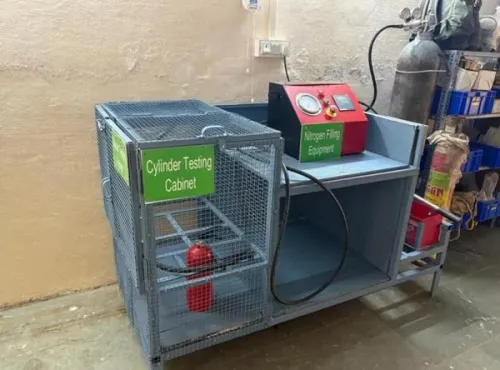
Nozzle replacement does not refill agent or hydrotest a cylinder. Neither service proves discharge coverage or panel supervision.
When a nozzle visit must become a wider system service
A nozzle replacement is the wrong fix when the cylinder has lost pressure, the system has discharged, the actuator or detection circuit has failed, or the enclosure has been modified. A new nozzle cannot restore protection if cable openings, ventilation, panel volume, or nozzle coverage have changed.
Before arranging a panel suppression system nozzle for replacement in Bhandup, confirm:
1. Record the agent type, cylinder or generator pressure, manufacturer and model, nozzle part number, thread or coupling, orifice marking, outlet diameter, and discharge direction. Panel dimensions alone cannot identify the correct component.
2. Check whether the fault includes a low-pressure indication, damaged hose, failed actuator, alarm trouble, open circuit, missing cap, corrosion, powder caking, or evidence of discharge. These findings require wider system service, not only a new nozzle.
3. Confirm site conditions: panel enclosure volume, cable-entry gaps, ventilation, ambient temperature, nearby energised equipment, and safe access for cylinder servicing. A change in any of these can invalidate the original hydraulic design.
4. Treat an electrical panel suppression spare as system-specific. Verify agent chemistry, seal compatibility, pressure rating, actuator type, supervision requirements, and the manufacturer’s listing or approval. Ignitek Solutions Pvt Ltd can use these records to distinguish a fixed-system component from a stored-pressure dry-powder extinguisher nozzle.
Do not hand back the panel with the system isolated. After service, confirm restored alarm supervision, normal control-panel status, no trouble or open-circuit indication, correct nozzle orientation, and readiness for release.
Related products
Fire Extinguishers Spare Nozzle - Stored Pressure Dry Powder ₹50 Discharge Nozzles for ABC Stored Pressure Dry Powder Type Fire Extinguishers View product → |
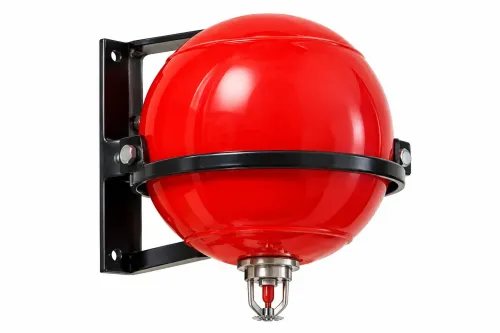
 | Panel Suppression System 4 kg The Panel Protection System is the most effective and reliable product for protection of enclosed panels or cabinets from fire. |
Frequently asked questions
Why is a fixed panel nozzle not interchangeable with an extinguisher nozzle?
A fixed panel nozzle is matched to the enclosure, extinguishing agent, discharge pattern, and release system. A stored pressure dry powder nozzle belongs to a portable extinguisher assembly; a matching thread does not prove suitability.
What details should I collect before ordering a replacement nozzle?
Record the suppression system make and model, extinguishing agent, nozzle marking, connection thread, orifice or discharge specification, pipe size, enclosure type, and the nozzle’s exact location. Photograph the nozzle, pipework, nameplate, and damaged parts.
How do I confirm the nozzle position protects the enclosure?
Inspect for blocked discharge paths, corrosion, damage, paint, loose fittings, and changes to the protected enclosure. Confirm the nozzle is aimed and located according to the system design rather than simply fitting it in the old position.
What checks follow a panel suppression nozzle replacement?
Check the fitting, pipework, nozzle orientation, caps or seals, detection and release circuit status, pressure or agent condition, and system alarm indications. Record the replacement and complete the required functional checks before returning the system to service.
When does nozzle replacement require wider system service?
Arrange wider service after an unwanted discharge, low pressure, damaged pipework, failed detection or release components, corrosion, missing records, or changes to the panel enclosure, cable entry, ventilation, or equipment layout.
Related products
 | Panel Suppression System 2 kg The Panel Protection System is the most effective and reliable product for protection of enclosed panels or cabinets from fire. |
 | Panel Suppression System 6 kg The Panel Protection System is the most effective and reliable product for protection of enclosed panels or cabinets from fire. |
 | Panel Suppression System 3 kg The Panel Protection System is the most effective and reliable product for protection of enclosed panels or cabinets from fire. |
Keywords