Buying fire fighting equipment often begins with a request for quotation. A facility may need extinguishers, hoses, valves, hydrant accessories, suppression equipment, alarm components, or a combination of different products.
The purchasing process can quickly become price-driven.
However, selecting a fire fighting equipment supplier in Bhandup solely because the quotation is lowest can create problems later if the equipment does not match the application, product documentation is unclear, or maintenance support is unavailable.
A stronger buying decision combines technical suitability, product quality, service capability, and lifecycle support.
Define the Requirement Before Asking for Prices
A vague enquiry such as 'send a quotation for fire safety equipment' gives suppliers very little information.
Before requesting prices, document the requirement as clearly as possible.
Include:
- Equipment category
- Required quantity
- Capacity or size
- Intended application
- Installation location
- Existing system details
- Any known technical specification
- Installation requirement
- Maintenance expectations
For a larger facility, photographs or a site assessment may help clarify the requirement.
Avoid Buying Based Only on Product Appearance
Fire extinguishers, valves, hoses, nozzles, and other safety products can look similar even when their technical specifications differ.
The procurement team should review actual documentation.
Depending on the item, useful information may include:
- Product model
- Capacity
- Material
- Pressure rating
- Fire rating where relevant
- Intended application
- Manufacturer information
- Testing information
- Conformity details
- Operating instructions
The quotation should identify products clearly enough for the buyer to understand what will be supplied.
Ask Whether the Supplier Understands the Application
A supplier should do more than simply confirm that an item is available.
For safety-critical equipment, buyers should be able to discuss the intended use.
For example:
- Which extinguisher suits the identified hazard?
- Is the valve appropriate for the existing system?
- Does the hose match the required application?
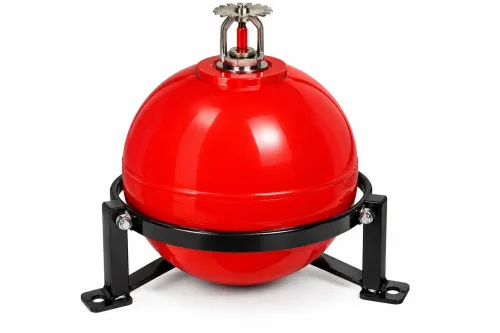
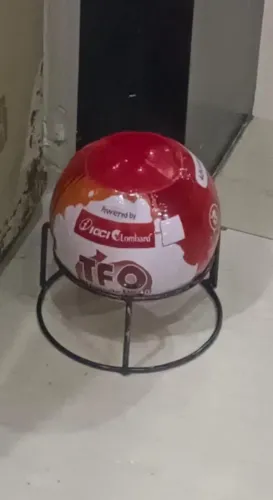
- Is a local suppression system more appropriate than a generic device?
- Are additional accessories required for installation?
If the provider cannot explain the application, the purchase may need further technical review.
Compare Equivalent Products
One quotation may appear cheaper because the product specification is different.
Before comparing prices, check whether each supplier is offering equivalent equipment.
Compare:
- Product type
- Capacity
- Material
- Rating
- Included accessories
- Installation
- Testing
- Warranty
- Maintenance requirements
- Documentation
Once the specifications are aligned, price comparisons become more meaningful.
Check Availability of After-Sales Support
Fire safety equipment requires attention after purchase.
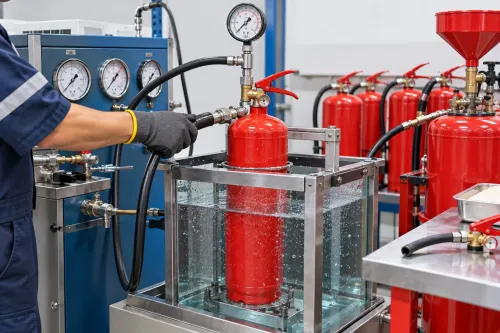
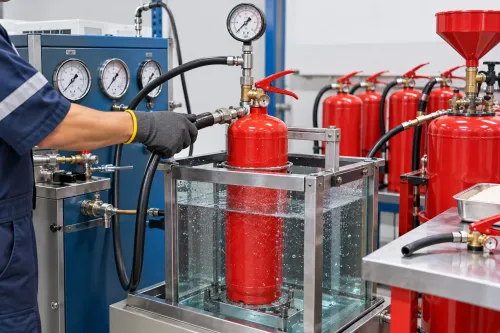
Portable extinguishers may need servicing and refilling. Suppression systems require maintenance. Installed components may eventually need repairs or replacements.
A supplier that provides equipment but no meaningful post-sale support may create coordination problems later.
Ask whether the provider supports:
- Inspection
- Refilling
- Repairs
- Replacement components
- Preventive maintenance
- System servicing
- Technical troubleshooting
Long-term support is particularly important for factories and commercial buildings with multiple fire safety assets.
Large Facilities Need Supply Consistency
Industrial procurement managers often purchase fire fighting equipment in batches.
Consistency matters.
If a facility repeatedly orders equipment for new floors, machines, or expansion areas, changing specifications each time can complicate servicing and spare management.
Where appropriate, standardising certain equipment categories can simplify:
- Training
- Inspection
- Maintenance
- Spare parts
- Inventory tracking
- Replacement planning
Standardisation should still remain compatible with the actual fire risk in each location.
Verify Installation Scope
Not every supplier quotation includes installation.
This is particularly important for systems and components that must be fitted into an existing fire protection network.
Ask whether the supplier is responsible for:
- Installation
- Mounting
- Piping
- Wiring
- Testing
- Commissioning
- Integration
- Handover documentation
If another contractor will perform the work, responsibilities should be clearly divided.
Watch for Unclear Quotations
A professional fire safety quotation should allow the buyer to understand what is included.
Warning signs include:
- Vague product descriptions
- Missing capacities
- No model identification
- Unclear installation scope
- No warranty information
- No mention of applicable taxes or charges
- Undefined maintenance support
- No differentiation between supply and service
Request clarification before issuing a purchase order.
Think Beyond the Initial Purchase
Ignitek Solutions Pvt Ltd supplies fire fighting equipment for industrial, commercial, and residential facility requirements in Bhandup.
When comparing providers, buyers should consider the complete equipment lifecycle.
A product may remain installed for years. During that period, it may require inspections, testing, servicing, refilling, repairs, replacement parts, or eventual replacement.
The provider's ability to support those requirements can affect the total value of the purchase.
Use a Practical Supplier Selection Checklist
Before finalising an order, confirm:
- The correct equipment has been identified
- Technical specifications are clear
- Quantities are accurate
- Products match the intended application
- Documentation is available
- Installation responsibilities are defined
- Testing requirements are understood
- Maintenance support is available
- Warranty terms are clear
- Final scope matches the quotation
This process may take slightly more effort than simply accepting the lowest bid, but it significantly reduces ambiguity.
For fire fighting equipment, procurement should support safety, reliability, and maintainability not just immediate cost savings.
Keywords