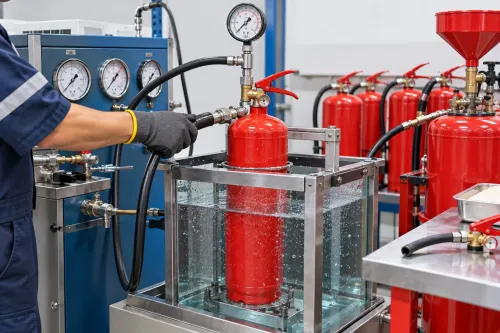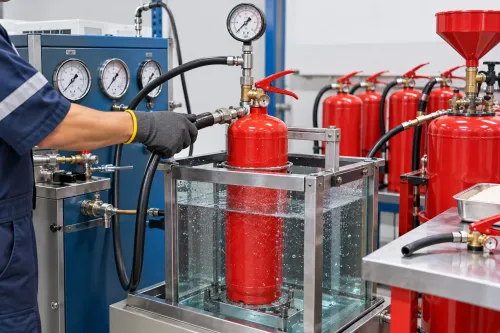
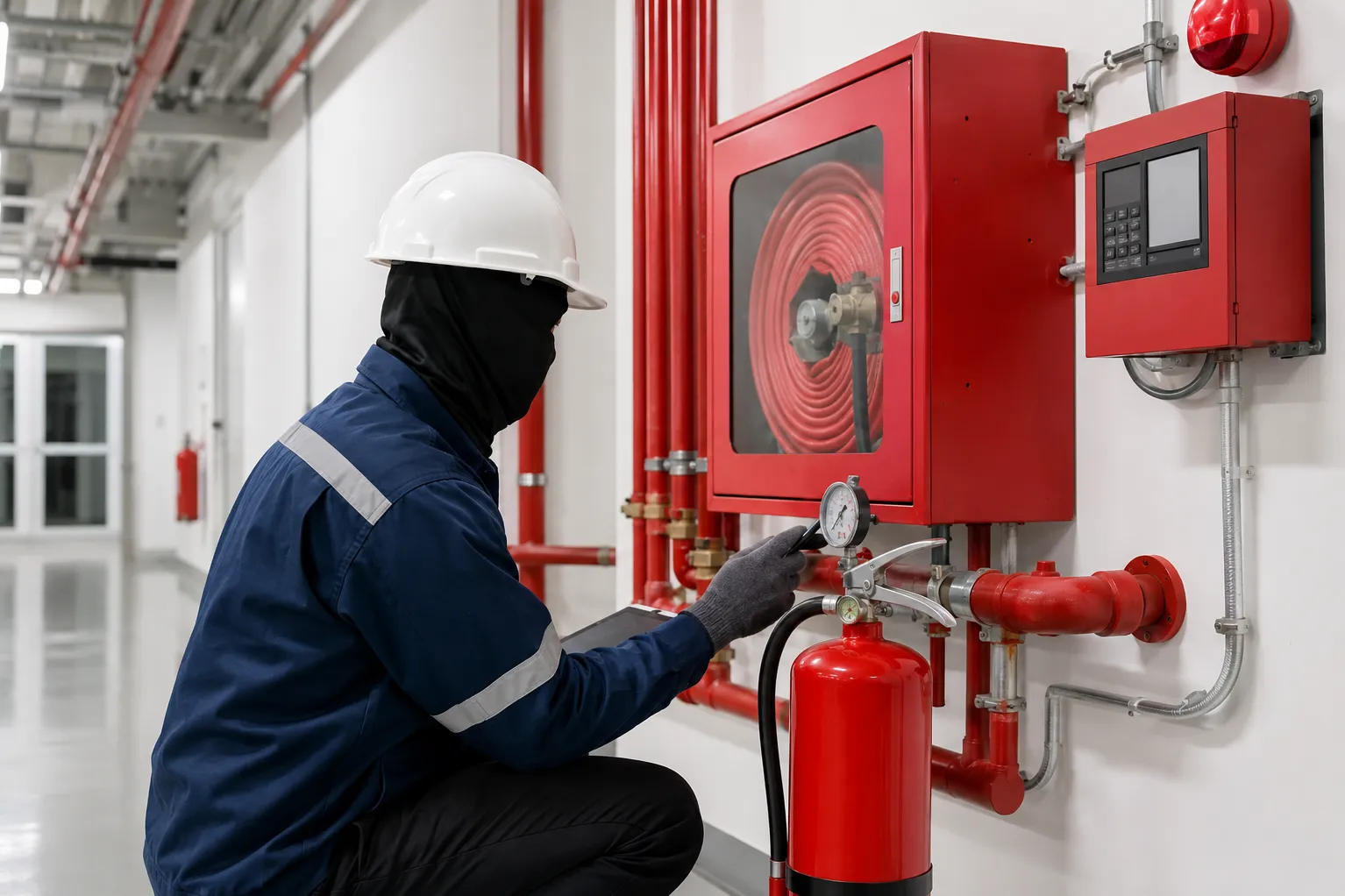
Fire safety equipment is often purchased with significant attention and then gradually becomes part of the background of a property. Extinguishers remain mounted, pumps remain installed, alarm panels stay on the wall, and suppression systems sit unused for long periods.
The challenge is that fire protection systems must remain functional even when they are rarely activated.
This is where fire safety AMC services in Bhandup can become valuable for factories, commercial buildings, housing societies, warehouses, and other facilities that need a structured maintenance programme rather than irregular servicing.
What a Fire Safety AMC Is Intended to Do
An Annual Maintenance Contract creates a planned framework for inspecting and servicing defined fire safety equipment over an agreed period.
The exact scope can vary significantly between providers.
Depending on the property and agreement, an AMC may include attention to:
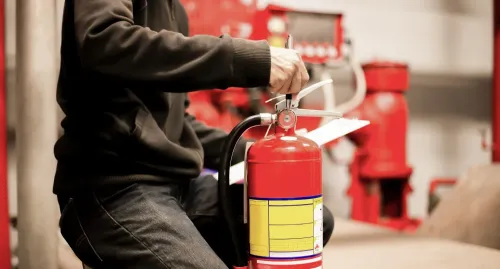
- Fire extinguishers
- Alarm systems
- Detection devices
- Hydrant components
- Fire pumps
- Hose reels
- Valves
- Sprinkler-related equipment
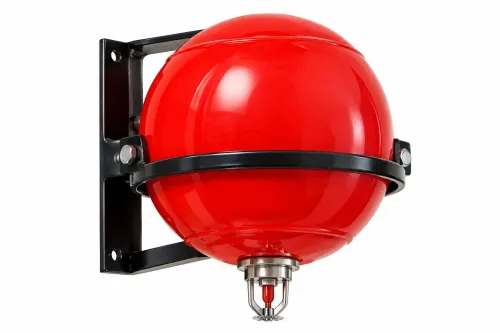
- Suppression systems
- Emergency accessories
The important point is that the contract should clearly define what is included.
AMC Is Not the Same as Unlimited Repair
One common misunderstanding is that an AMC automatically covers every replacement and repair at no additional cost.
That may not be the case.
Contracts can differ in whether they include labour only, routine inspection, selected consumables, spare parts, emergency visits, refilling, replacement equipment, or major repairs.
Before signing an agreement, facility managers should ask for a clear written scope.
This helps avoid disputes later when a component fails.
Signs That a Facility Needs Structured Maintenance
An AMC becomes particularly useful when fire safety management has become difficult to track internally.
Warning signs include:
- Different equipment serviced by different vendors
- Missing maintenance records
- Expired or unclear service labels
- Repeated emergency repairs
- Large numbers of fire extinguishers
- Multiple floors or buildings
- No central equipment inventory
- Uncertainty about last inspection dates
- Difficulty tracking system defects
- No defined responsibility for follow-up
A structured maintenance programme can help consolidate these activities.
Inspection Frequency Should Be Clear
A useful AMC should state how frequently scheduled visits are expected.
The appropriate frequency depends on the equipment, system, operating conditions, applicable requirements, and agreed service scope.
Avoid contracts that simply promise 'regular service' without defining what that means.
The facility team should know:
- How many scheduled visits are included
- What is inspected during each visit
- How defects are recorded
- Who receives the service report
- What happens when corrective work is required
Clear expectations improve accountability.
Maintenance Records Add Real Value
Documentation is one of the most important benefits of organised fire safety maintenance.
Service reports can help facility managers understand which equipment was inspected, what defects were found, what action was taken, and what remains pending.
Good records can also support internal safety reviews and budget planning.
For example, repeated defects in the same pump, alarm zone, or extinguisher group can indicate a larger issue that should be investigated.
Ask About Response to Faults Between Visits
Scheduled maintenance does not prevent every unexpected problem.
An alarm panel may show a fault. A pump may develop a problem. An extinguisher may be discharged. A suppression system component may be damaged during other building work.
Before signing an AMC, understand how unscheduled service requests are handled.
Ask:
- Is breakdown support included?
- What is the service request process?
- Are emergency visits charged separately?
- Are spare parts extra?
- Who should facility staff contact?
- How are urgent defects prioritised?
This information can matter as much as the scheduled inspection plan.
Review the Contract When the Facility Changes
An AMC scope should evolve when the property changes.
If a factory adds production space, a commercial building expands, new suppression equipment is installed, or additional extinguishers are added, those assets may need to be incorporated into the maintenance programme.
Otherwise, newly installed systems may remain outside the original contract.
An annual review of the equipment list can prevent this gap.
When AMC May Be Better Than Ad Hoc Servicing
Occasional servicing can work for very small premises with limited equipment and strong internal tracking.
As the number and complexity of fire protection assets increase, ad hoc maintenance becomes harder to manage.
An AMC can provide value when a property needs:
- Scheduled inspection
- Centralised service records
- Defined equipment coverage
- Consistent vendor coordination
- Easier maintenance planning
- Better visibility of pending defects
The decision should be based on operational complexity rather than simply building size.
Choose the AMC Provider Carefully
Ignitek Solutions Pvt Ltd provides fire safety maintenance support for facilities in Bhandup.
Before selecting any AMC provider, review the proposed asset list, visit frequency, maintenance activities, reporting process, exclusions, consumable policy, replacement terms, and breakdown support.
A good contract should make fire safety management more predictable.
The purpose is not simply to have an AMC certificate or service agreement on file. The real value lies in ensuring that fire safety equipment is inspected systematically, defects are identified, maintenance records remain organised, and corrective actions are not forgotten.
Keywords