A fire extinguisher may look perfectly functional from the outside while its cylinder has weakened internally over time. Pressure, corrosion, environmental exposure, handling, and ageing can all affect the integrity of the cylinder. This is why fire extinguisher hydrotesting in Bhandup is an important part of maintaining dependable fire safety equipment in commercial, residential, and industrial premises.
Hydrotesting is not the same as routine extinguisher refilling. Refilling restores the extinguishing medium after use or when servicing requires it. Hydrostatic testing is intended to assess whether the extinguisher cylinder can safely withstand the required pressure.
What Happens During Fire Extinguisher Hydrotesting
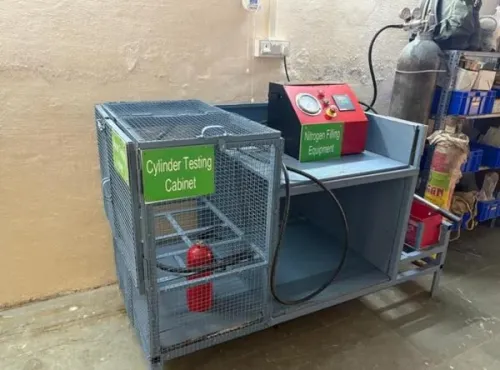
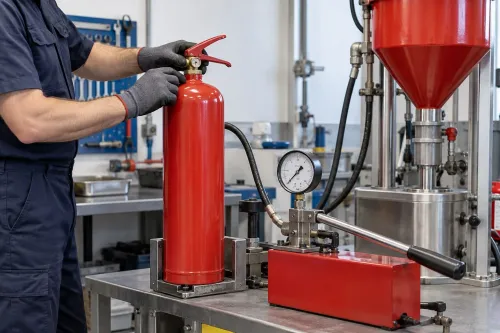
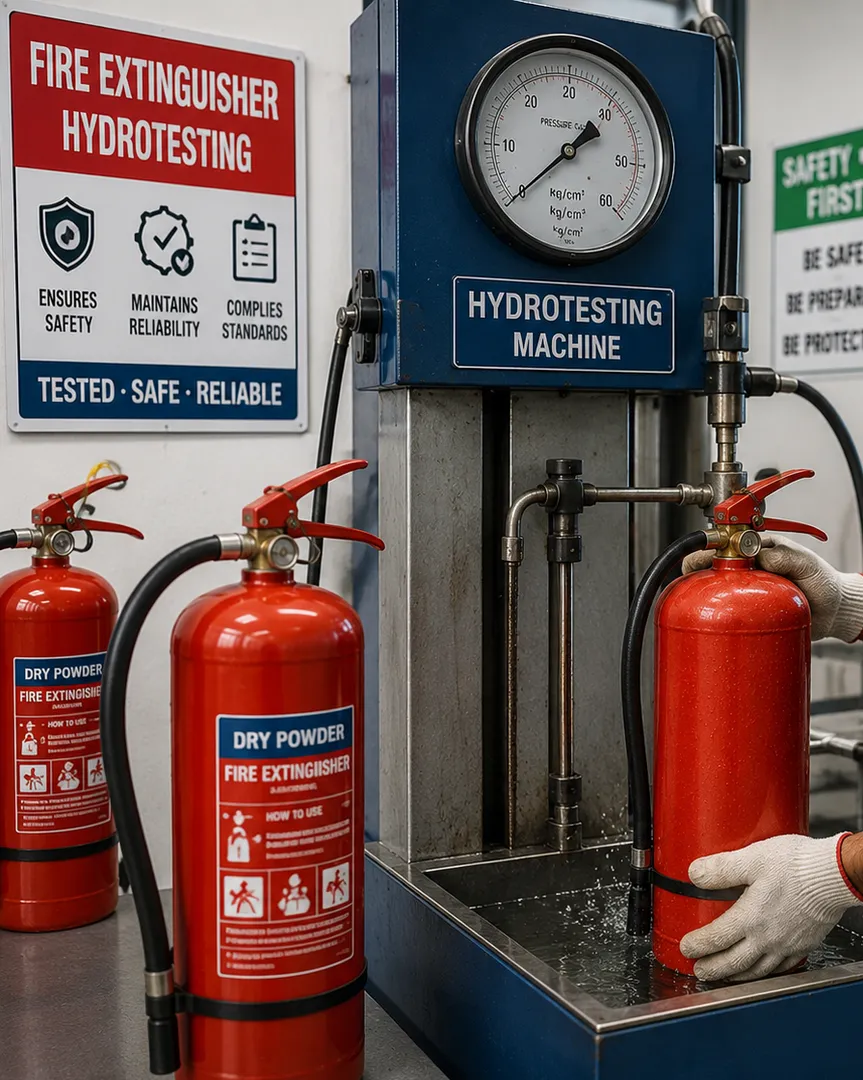
During hydrotesting, the extinguisher is taken out of normal service and inspected before being subjected to a controlled pressure test using appropriate testing procedures.
The process generally involves checking the cylinder for physical deterioration and determining whether it remains structurally suitable for continued service.
Depending on the extinguisher type and condition, technicians may examine:
- External corrosion
- Dents or physical deformation
- Cylinder threads
- Valve condition
- Signs of leakage
- Previous test markings
- Hose and discharge components
- Overall cylinder condition
A cylinder that fails the required assessment should not simply be refilled and returned to service.
Why Visual Inspection Alone Is Not Enough
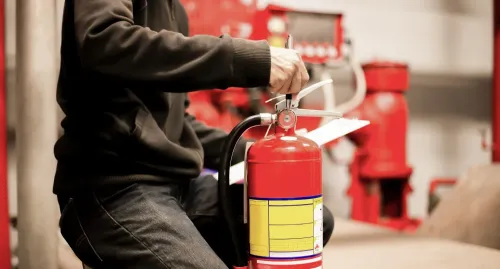
Facility teams often inspect extinguishers for obvious problems such as a broken seal, damaged hose, missing pin, low pressure indication, or corrosion.
These checks are valuable, but they cannot establish everything about the cylinder's structural integrity.
An extinguisher is a pressurised container. Its cylinder must continue to tolerate the pressures associated with its design and operation. Age, corrosion, inappropriate storage, physical impact, or poor previous maintenance may compromise it even when the problem is not immediately obvious.
Hydrotesting provides a more meaningful assessment at the required stage of the extinguisher's service life.
Which Premises Should Pay Attention to Hydrotesting
Fire extinguisher maintenance is relevant across many types of properties in Bhandup.
These can include:
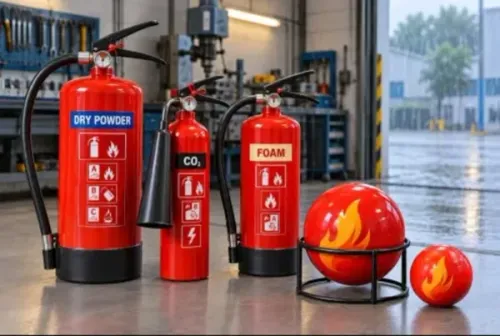
- Manufacturing units
- Warehouses
- Commercial offices
- Housing societies
- Shops and showrooms
- Workshops
- Electrical and utility rooms
- Educational premises
- Healthcare facilities
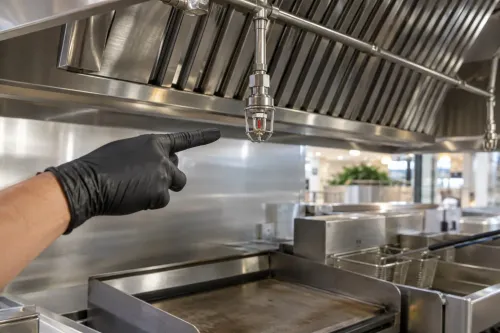
- Restaurants and commercial kitchens
The type and number of extinguishers may vary considerably between premises, but ageing cylinders should not remain overlooked simply because the extinguisher has never been discharged.
Hydrotesting Is Different from Refilling
Confusing these two services can result in incomplete maintenance.
Refilling primarily concerns restoring or replacing the extinguishing agent and preparing the extinguisher for service according to applicable requirements.
Hydrotesting concerns the pressure-bearing integrity of the cylinder.
An extinguisher may require routine servicing without being due for hydrotesting. Conversely, an older cylinder may reach the applicable testing stage even if it has never been used during an emergency.
Facility managers should therefore maintain service records rather than relying only on the date of the most recent refill.
Signs That an Extinguisher Needs Professional Attention
Certain visible conditions should prompt an inspection rather than waiting for the next scheduled maintenance visit.
Look for:
- Rust or significant corrosion on the cylinder
- Dents, cuts, or unusual deformation
- Leakage around the valve
- Damaged hose or nozzle
- Missing safety pin or tamper seal
- Unclear or missing service information
- Pressure indication outside the appropriate range where a gauge is provided
- Evidence that the extinguisher has been discharged
- Damage caused by impact or poor storage
Not every issue means that hydrotesting is immediately required, but it does mean the equipment should be assessed by competent personnel.
Why Maintenance Records Matter
Fire extinguishers are easy to overlook because they may remain unused for years. That is exactly why documented maintenance is valuable.
A practical fire extinguisher register can record:
- Extinguisher identification
- Type and capacity
- Installed location
- Inspection dates
- Servicing history
- Refilling history
- Hydrotest information
- Observed defects
- Replacement details
For factories and commercial properties with many extinguishers, asset-level records make it easier to identify equipment approaching its applicable service or testing stage.
Storage Conditions Can Affect Equipment
Bhandup includes industrial, commercial, and residential environments where extinguishers may be exposed to very different operating conditions.
An extinguisher kept in a clean indoor office does not experience the same environment as one installed in a workshop, loading area, humid utility space, or industrial production zone.
Moisture, chemicals, dust, vibration, heat, physical impact, and outdoor exposure can contribute to deterioration. Equipment condition should therefore be considered alongside the prescribed inspection and testing requirements.
Building a More Reliable Fire Safety Routine
Hydrotesting works best as part of a broader extinguisher management programme rather than as an isolated activity.
Ignitek Solutions Pvt Ltd works with fire safety equipment and fire protection requirements in Bhandup. For facility teams managing extinguishers, the important principle is to distinguish between routine visual checks, periodic servicing, refilling, hydrotesting, and eventual replacement.
Each serves a different purpose.
A fire extinguisher is useful only when it is serviceable at the moment it is needed. Keeping accurate records and addressing ageing or damaged cylinders systematically helps organisations maintain a more dependable first line of fire protection.
Keywords